Aladdin Digital Bank
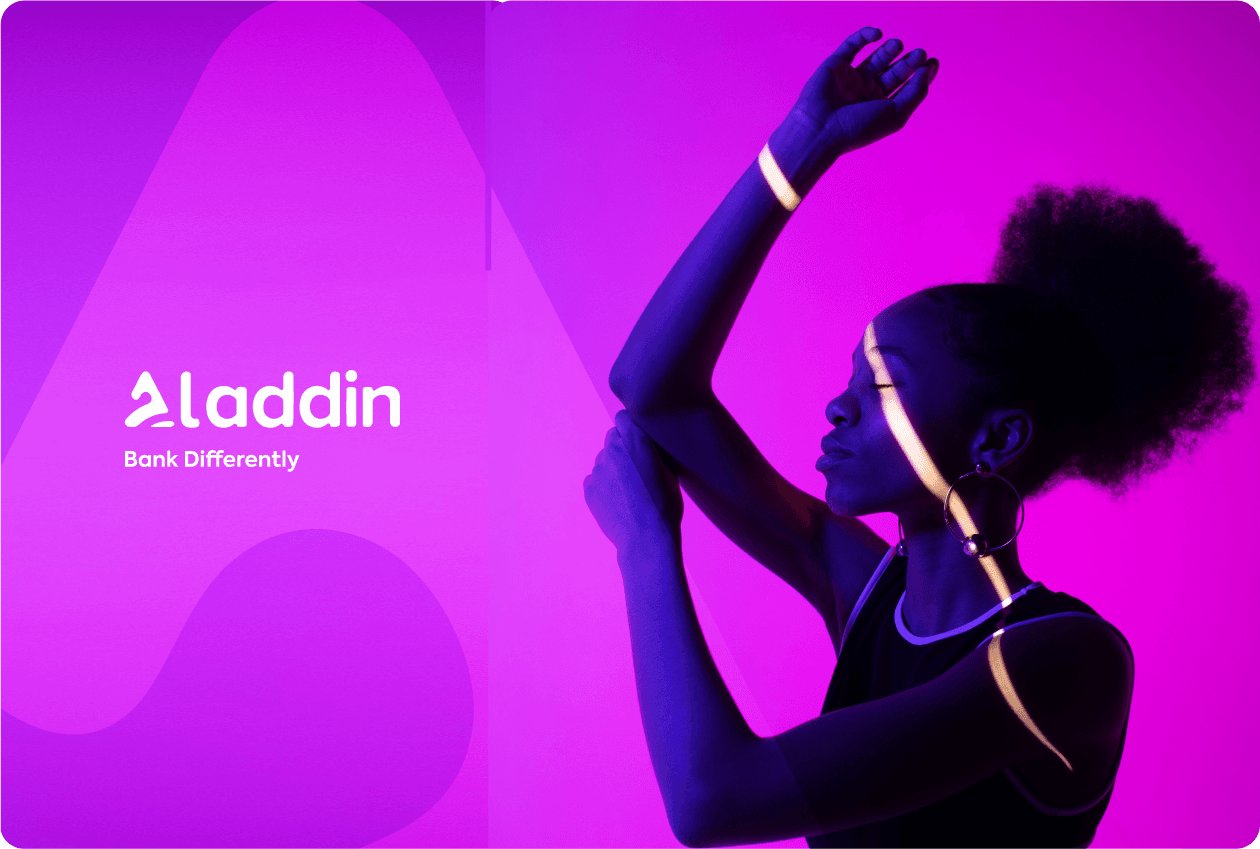
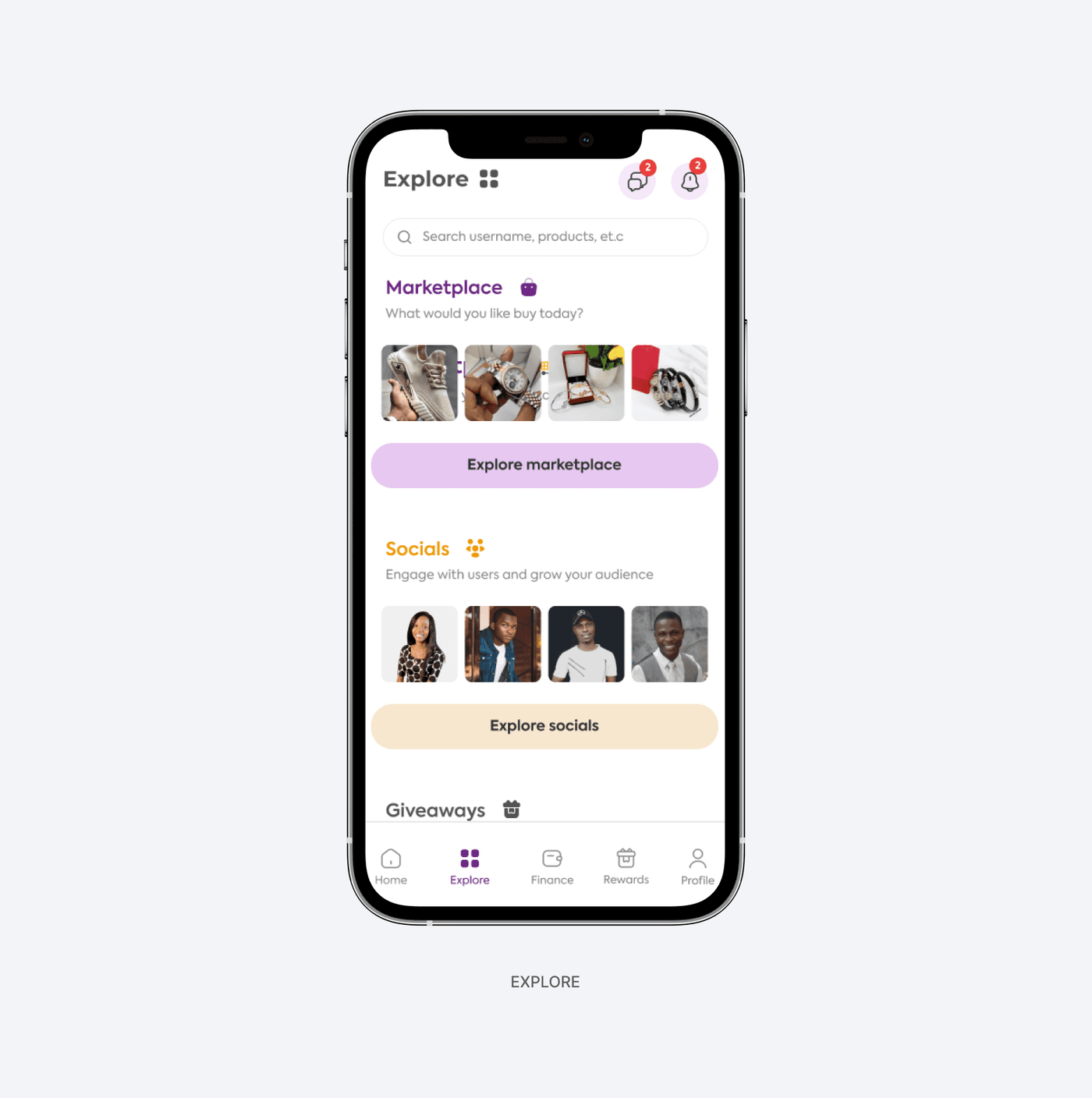
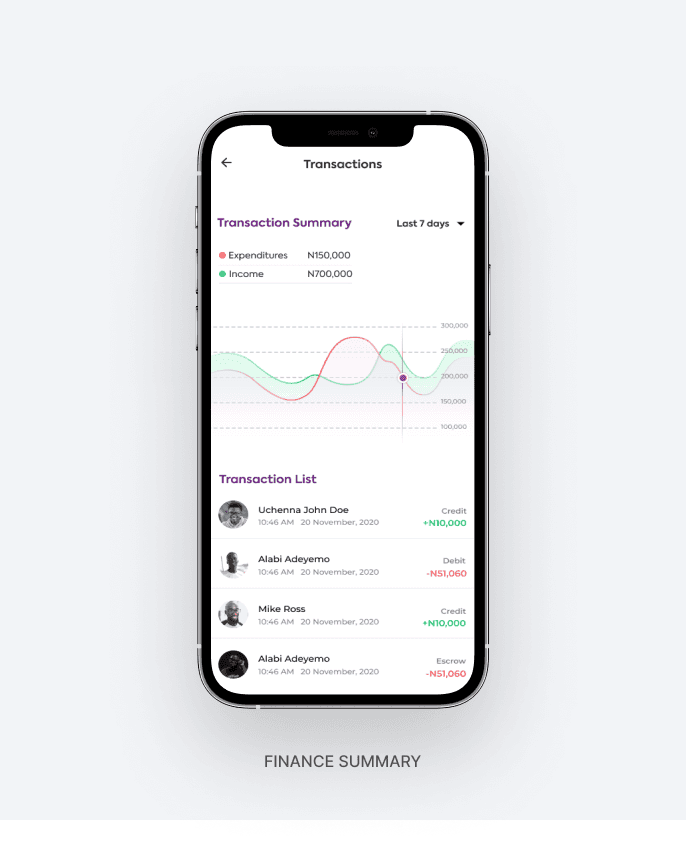
Aladdin is the first ecosystem bank designed to support SMBs, gig workers and individuals with a side hustle with all the tools they need to thrive — financial tools, a marketplace and an active community designed to support them and grow their network.
Problem
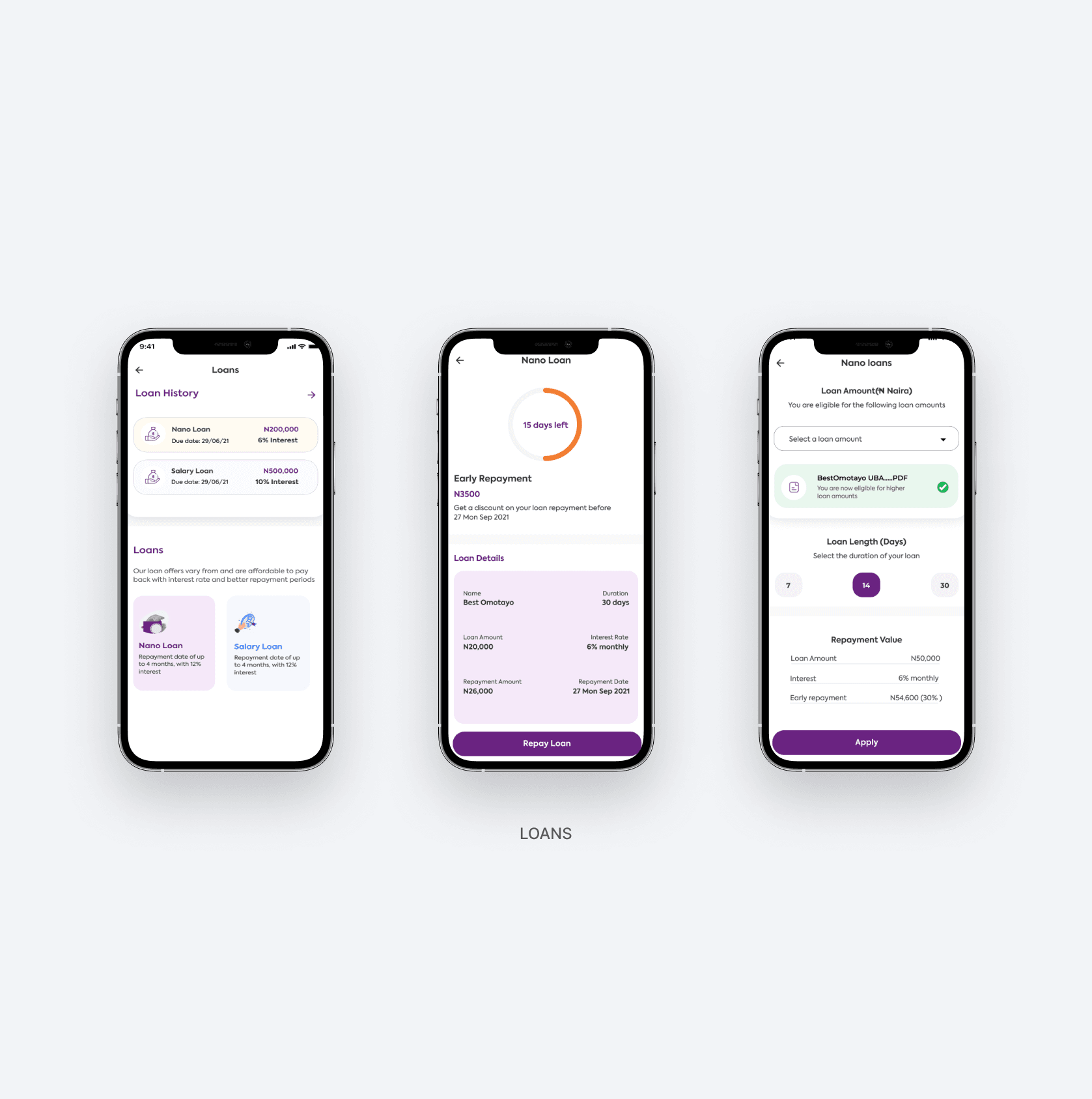
Small and medium-sized businesses (SMBs), gig workers, and individuals with side hustles often face challenges accessing the comprehensive financial tools and support needed to grow their ventures. Traditional banks tend to overlook this demographic, offering limited services that don’t cater to their unique needs, such as flexible payment solutions, marketplace access, or community support. Without these essential resources, they struggle to scale. Aladdin aims to fill this gap by providing an ecosystem specifically designed to empower this segment through loans, savings, payments, and a supportive marketplace.
Goals and Objectives
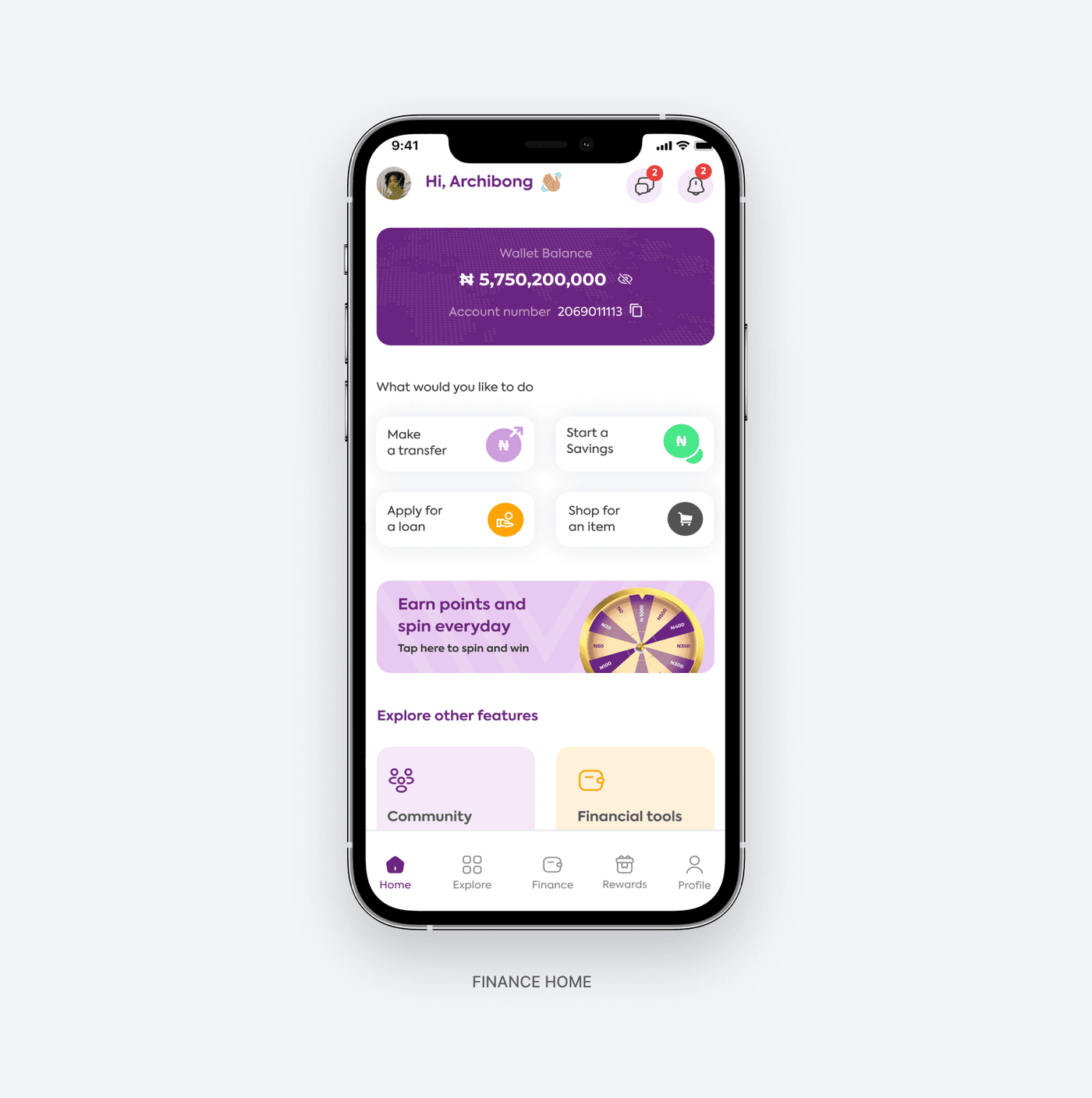
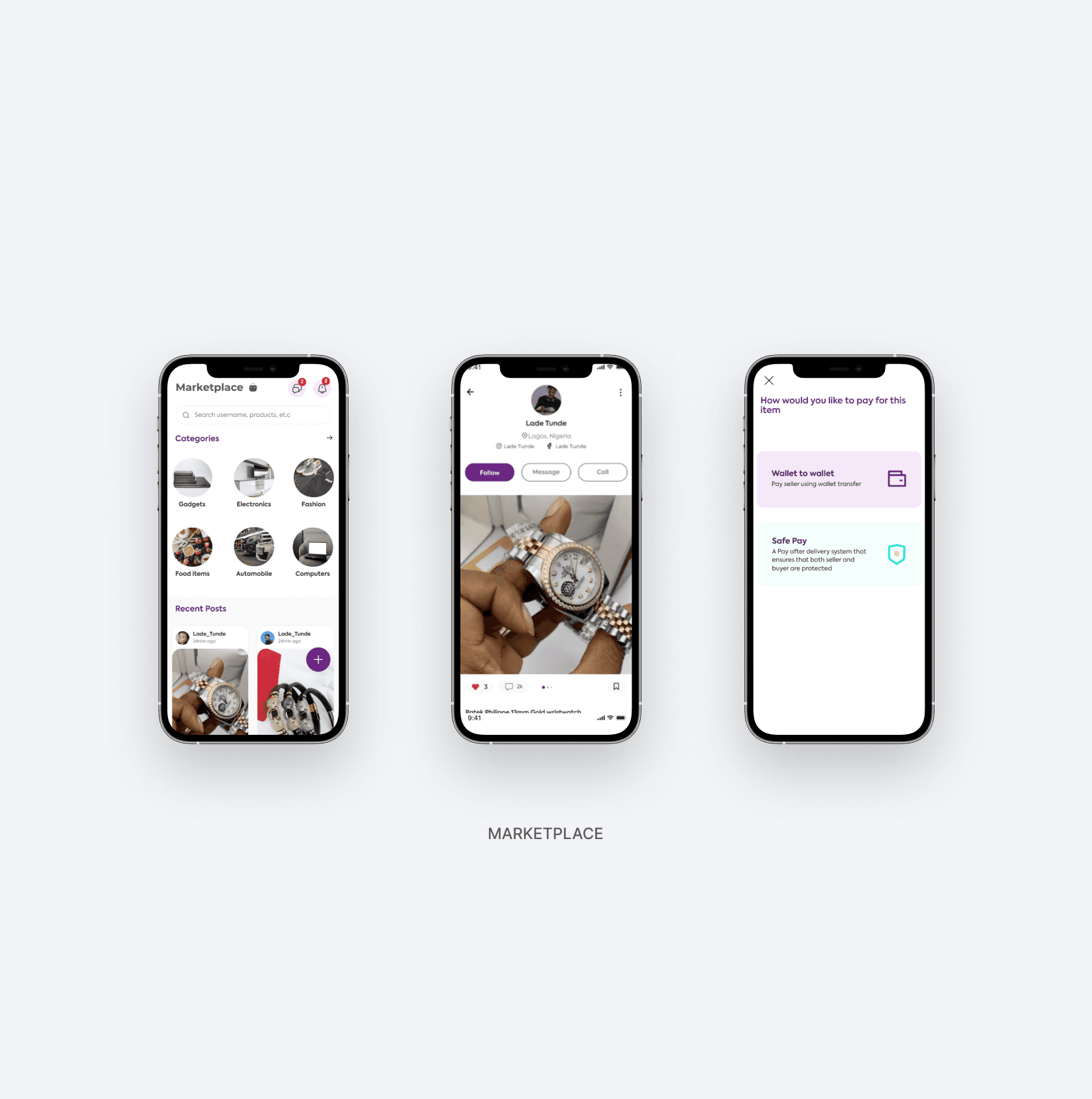
To build a platform where users can bank and buy — seamlessly mixing a marketplace and financial tools together in one product.
Branding Problem & Solution
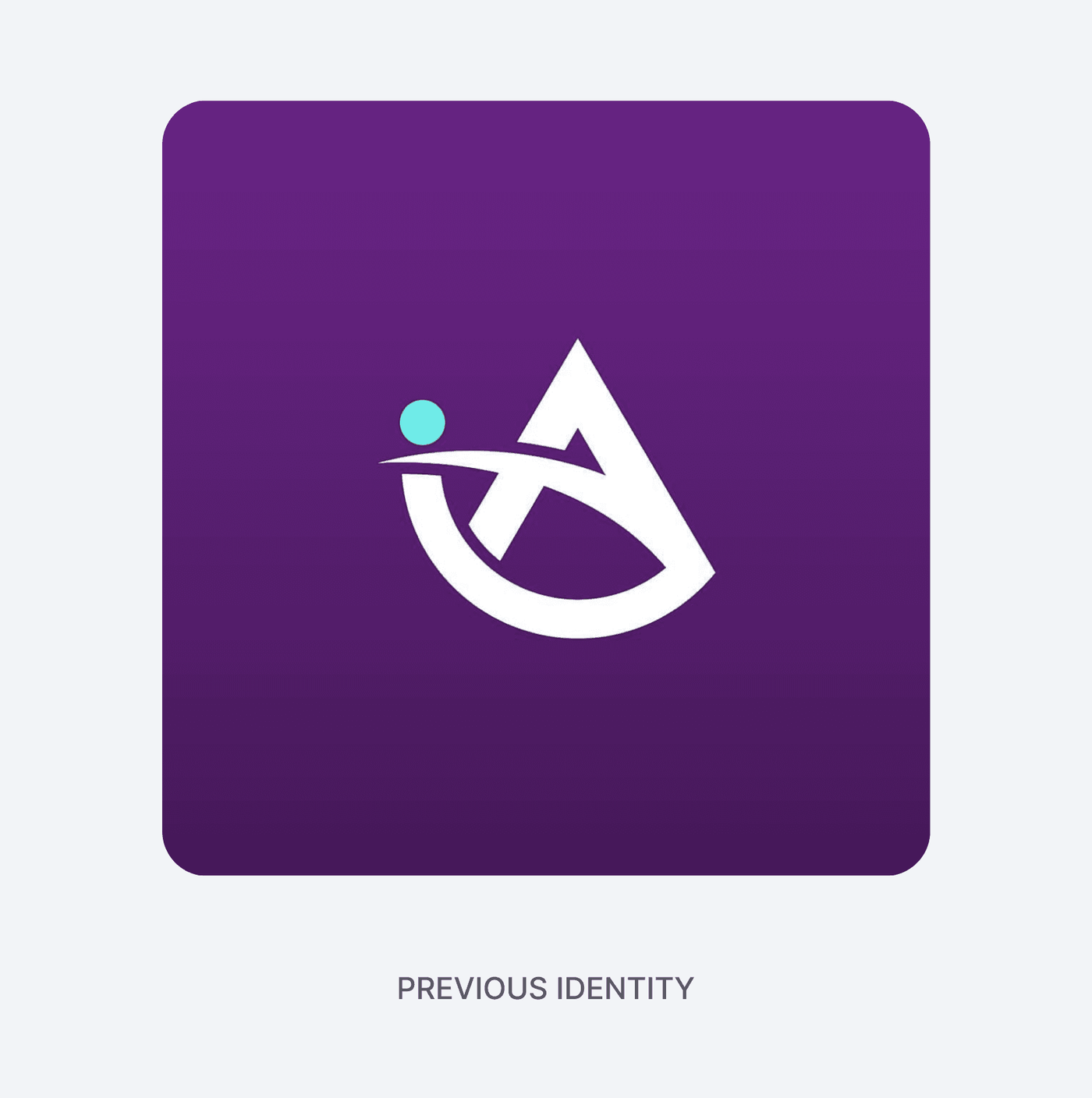
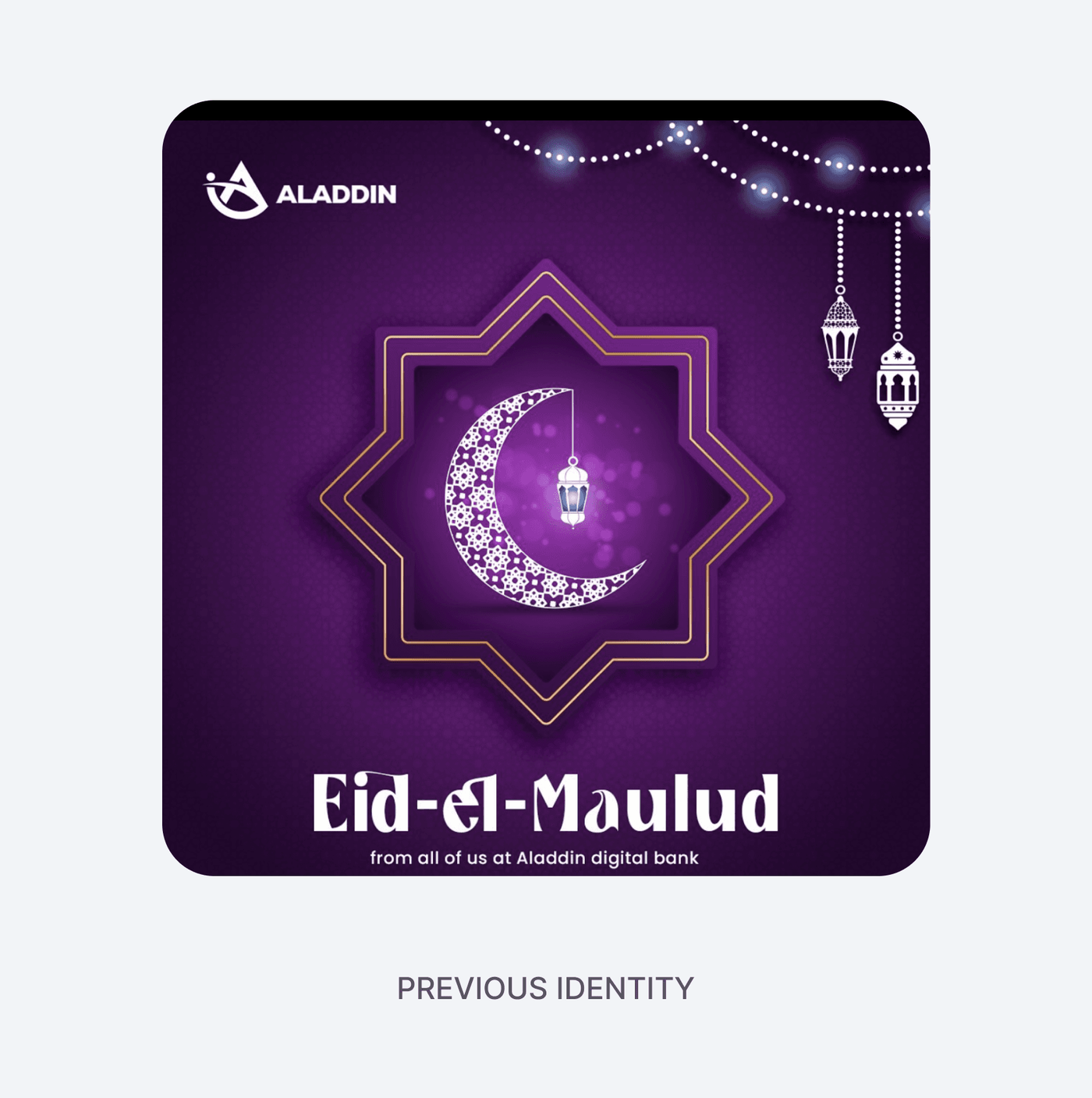
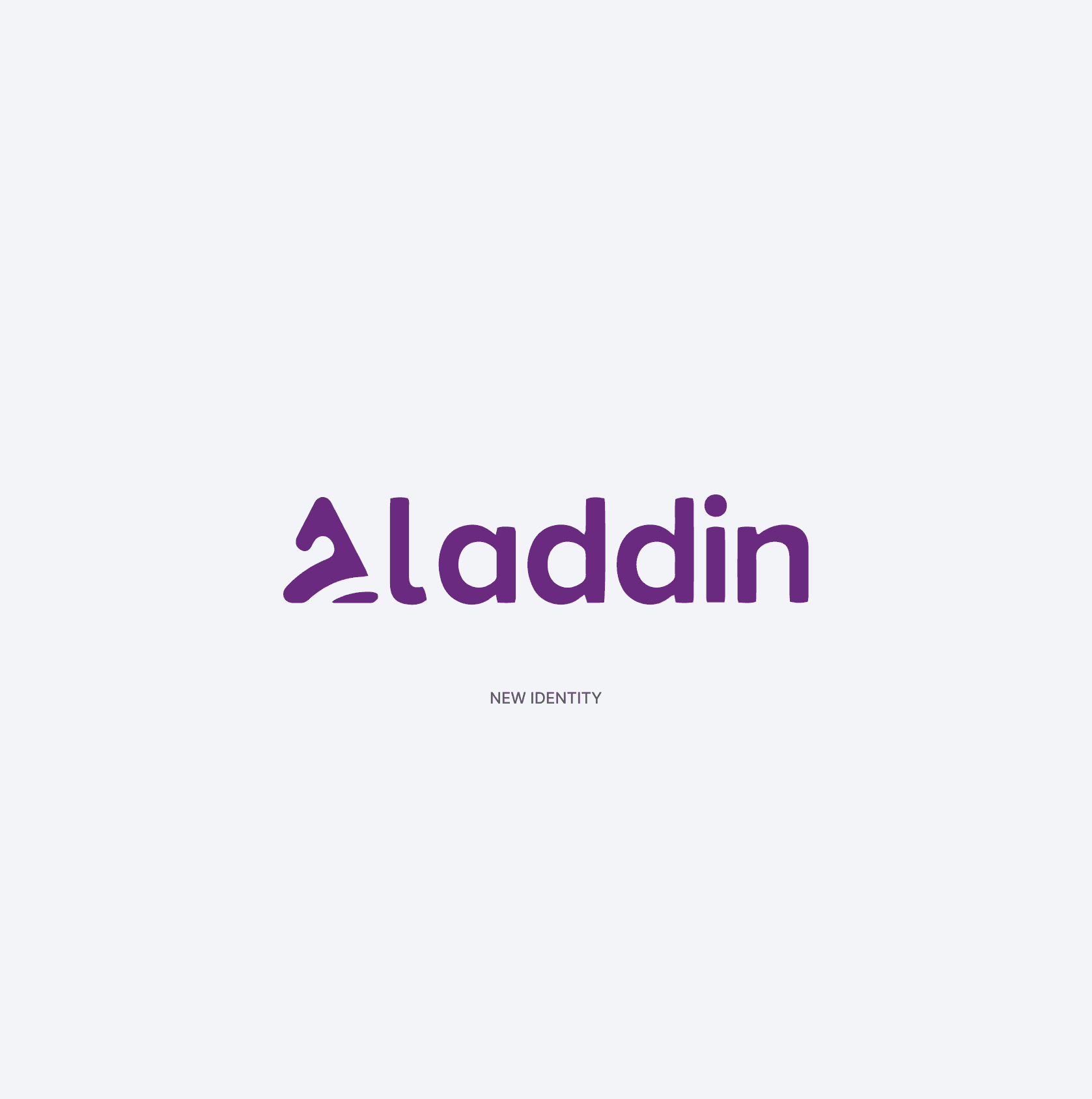
The major challenge in developing this project was overcoming the bias associated with the product’s name. Drawing from a well-known Disney musical fantasy, "Aladdin," many people initially perceived the brand as catering specifically to Muslims due to its previous Arabic/Islamic tone, despite its presence in the Nigerian fintech space for about a year. This led to a misconception that the brand was not meant for all Nigerians. The task was to redefine the brand identity to be inclusive and accessible to everyone, regardless of religion or race.
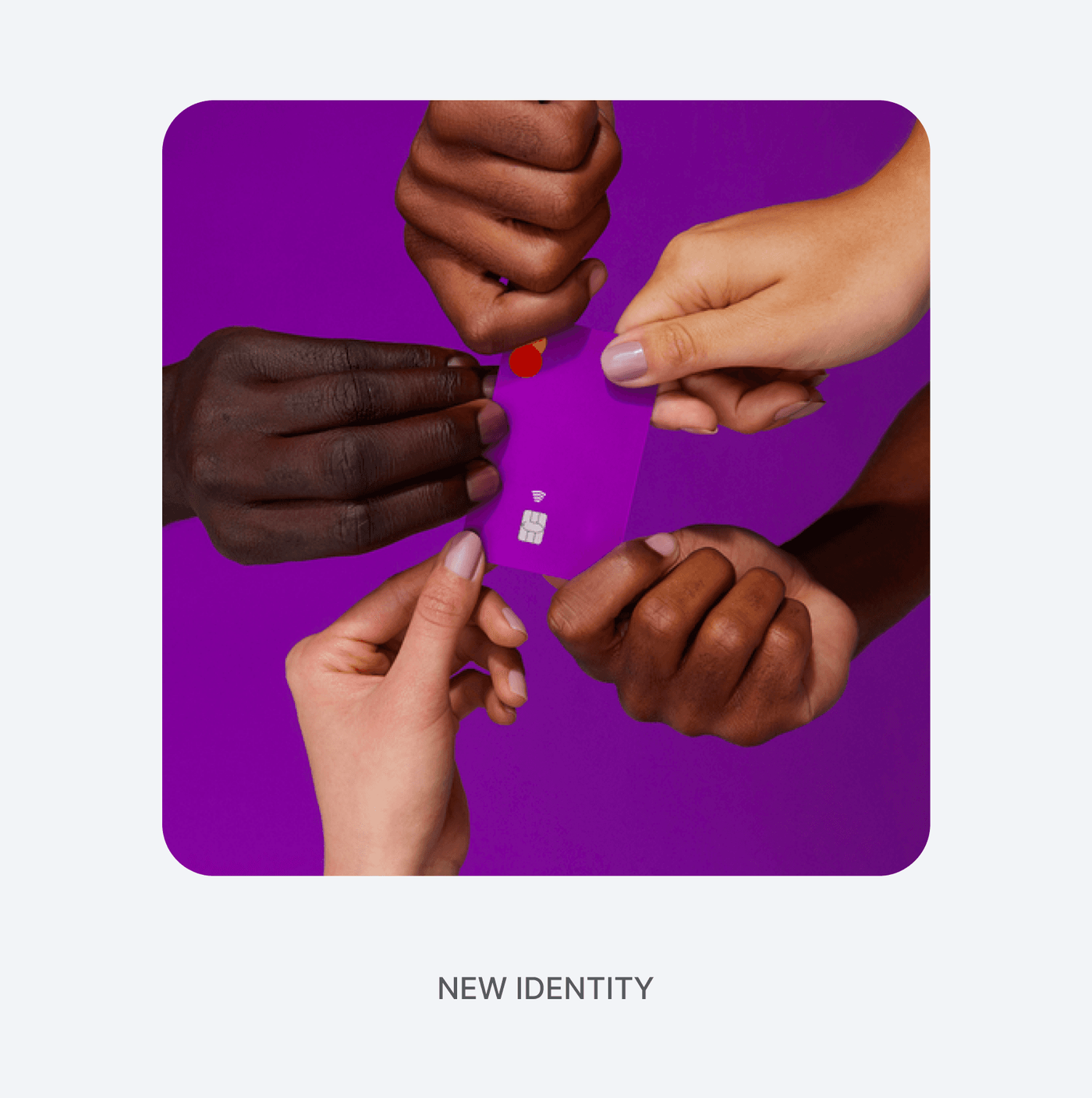
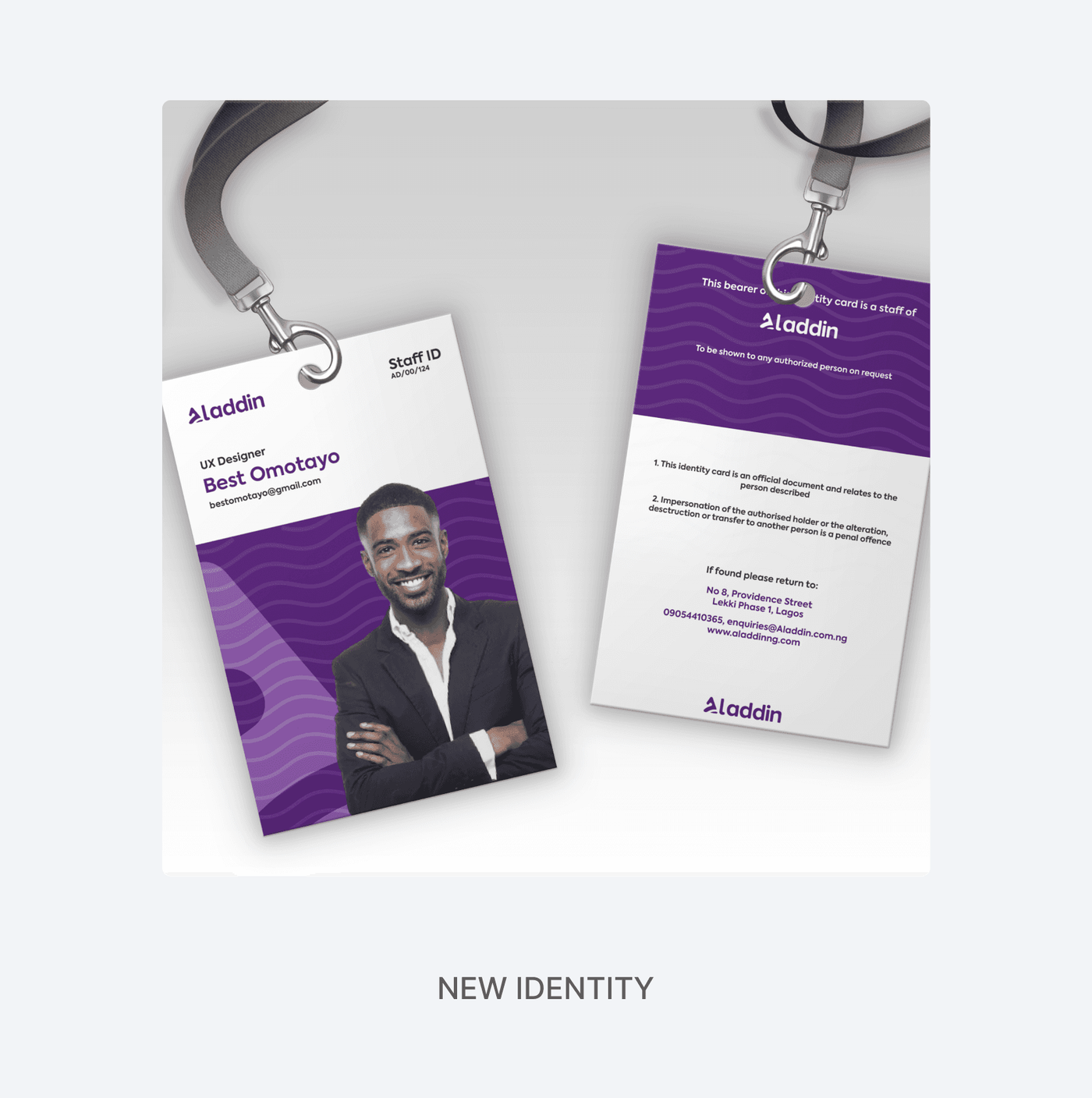
After careful analysis, the solution was to create a new brand identity that is simple, modern, and memorable — one that resonates with people from diverse ideologies, races, and religions, ensuring no one feels excluded or that the brand leans toward a specific group.
Design Process
Based on the project and assessment scope, I decided to implement the User Centered Design process for this project.
Research
I conducted qualitative research to capture data from actual users on what they thought and what they would love to see. I based my questions on what they thought about the brand’s name, logo, and the product idea. I went further to ask if they would use this type of product if it was available, and what features they would love to see and use.
These are some of the questions I asked:
- What are your favourite banking apps?
- What are the favourite features you would like to have on a banking app?
- Do you prefer to use a digital bank or a commercial bank?
- Do you buy online?
- What are your best and worst experiences with online shopping?
- What are your thoughts about social media vending such as Instagram, Facebook, WhatsApp, Twitter?
- Using Instagram as a sample, walk me through the process of buying an item on Instagram.
- What do you like about this process?
- What would you change about this process?
- Of all the different means of payment, what do you think about payment on delivery?
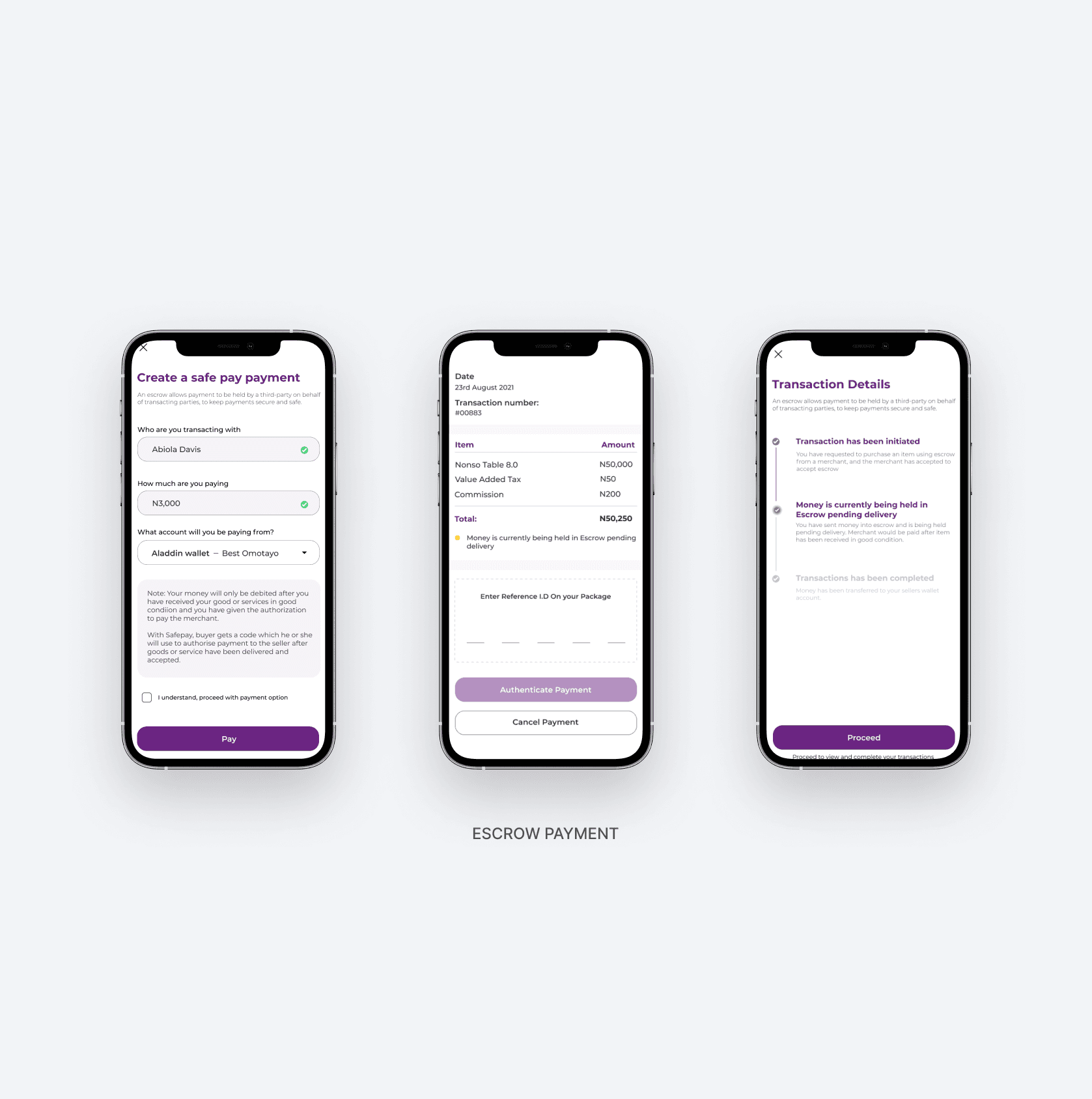
- What do you understand about the escrow payment system?
- Would you rather use escrow payment or payment on delivery?
User Pain Points & Insights
Research Summary
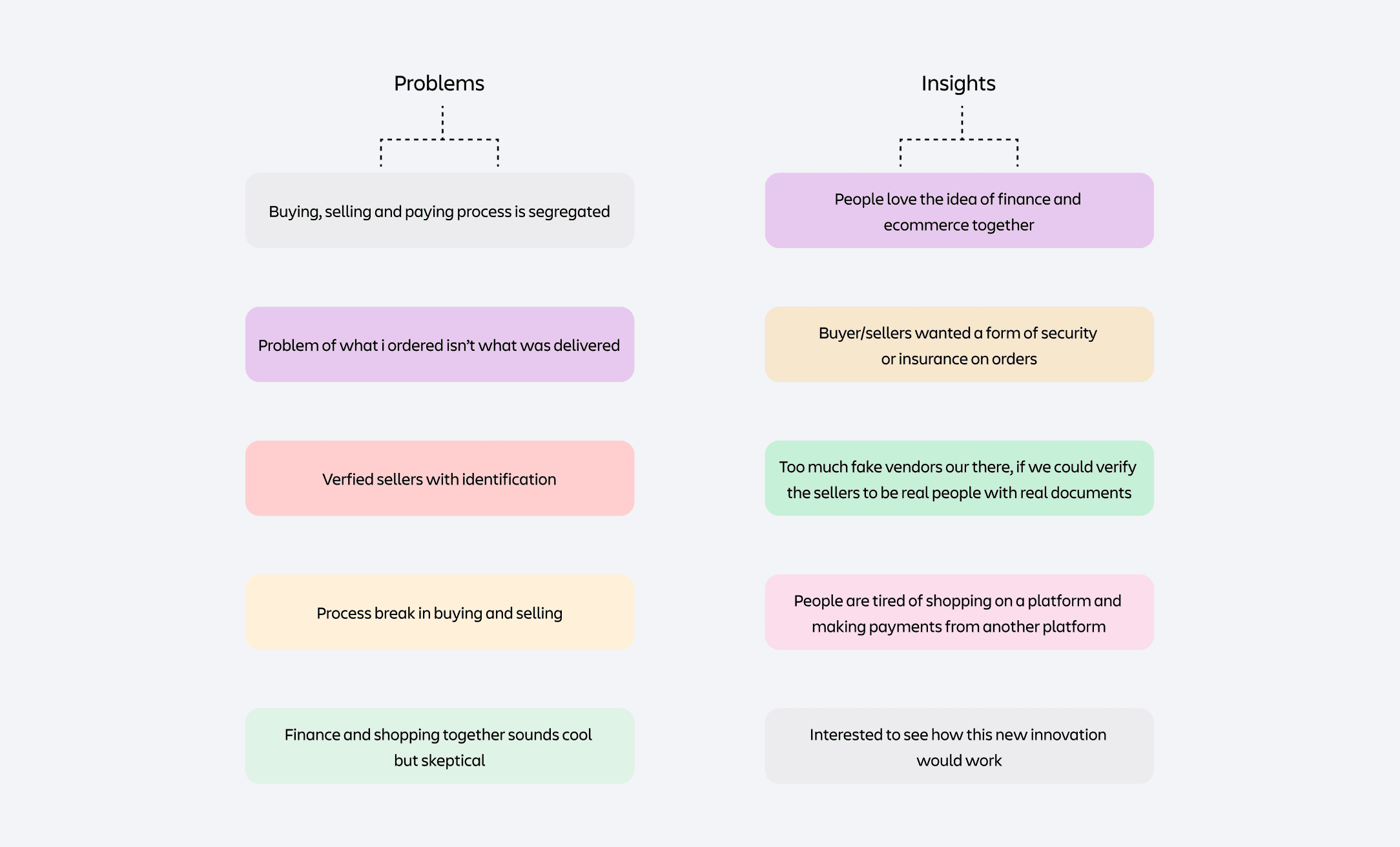
- Users are enthusiastic about the idea of integrating finance and e-commerce but remain skeptical about the security of transactions, especially with concerns over fake vendors.
- Buyers and sellers desire increased trust and security, suggesting the need for verified sellers with real identification and protection, such as insurance on orders.
- There is frustration with the fragmented process of shopping on one platform and paying on another, leading to a demand for a seamless, integrated experience.
Solutions & Designs
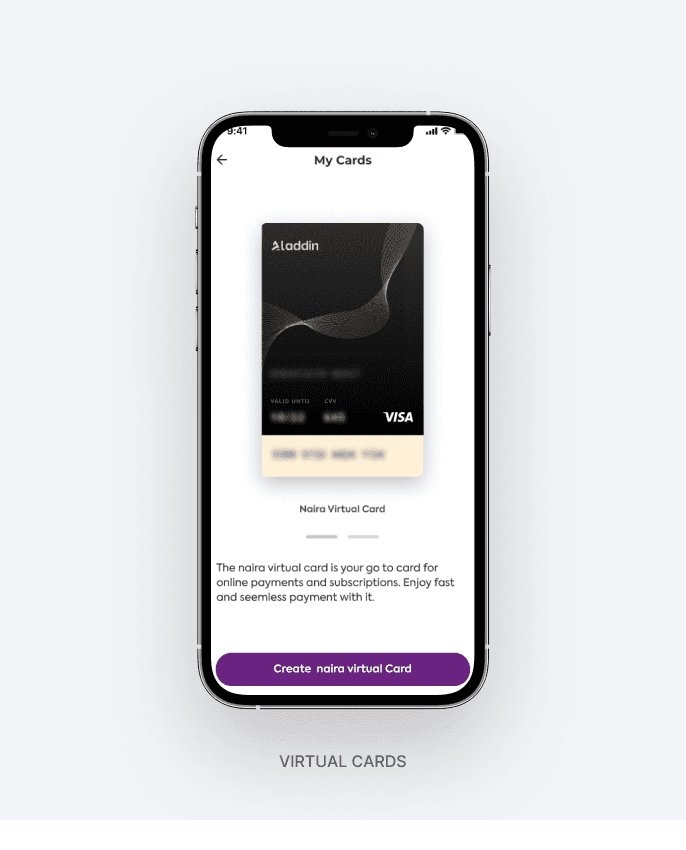
At this stage I started to bring my insights to life. I played back the interview recordings and wrote down everything each participant said. My main goal was to create an all-round solution that resolves the existing issues.
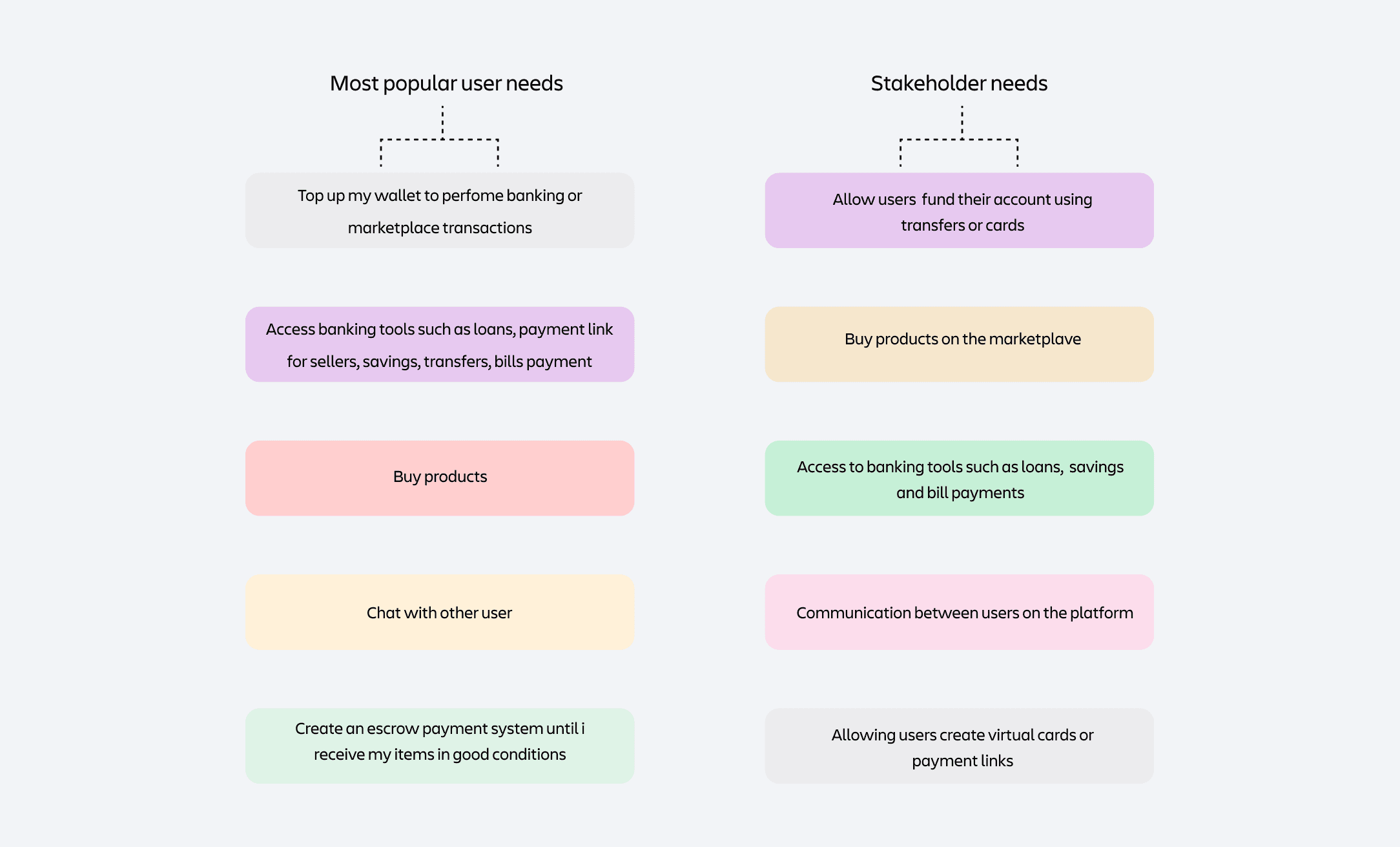
I used this to create user needs and made sure they were in tandem with the stakeholders' needs as well, to create a fit between what the users want and what the owner wants.
Outcome
- 50K+ downloads on the Google Play Store
- 10K+ downloads on the Apple App Store
- Raised $278,790 on Wefunder, an investment crowdfunding platform